
Why perfectionism is a problem
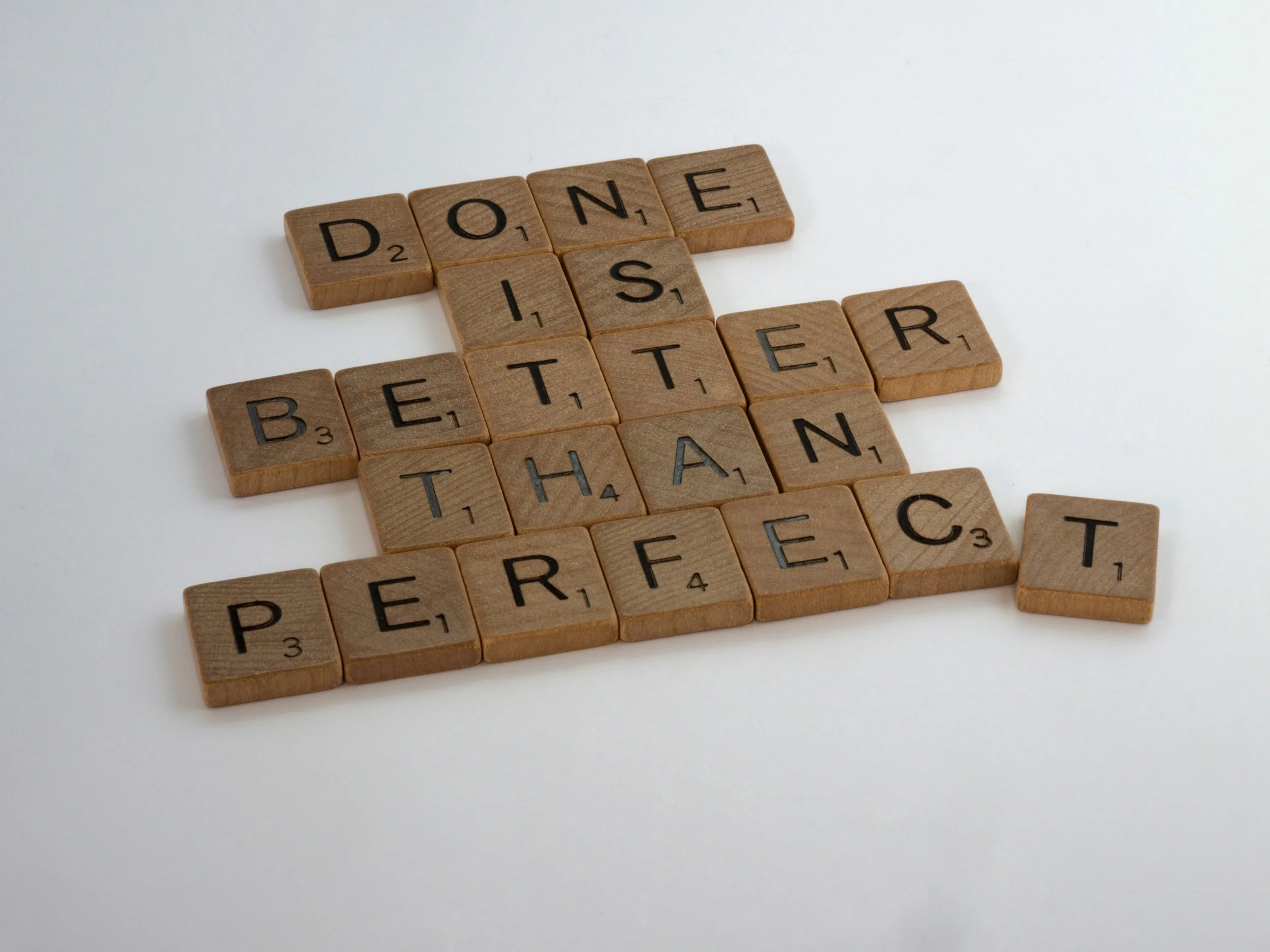
Photo by Brett Jordan on Unsplash
“What are your weaknesses?”
“I’m a perfectionist.”
It’s a stock answer to a bad interview question. We roll our eyes.
But there’s a bigger red flag here, beyond the total lack of imagination (if that weren’t enough).
“When perfectionism is driving, shame is riding shotgun”
So says Brené Brown - and she should know. After 20+ years of research, she’s the foremost expert on shame and it’s detrimental effects on self, community and workplace.
Most of the grads I speak to confess to perfectionist tendencies. It shows up in the long list of things they’ve considered but haven’t tried.
Because the cost of ‘failing’ is too high.
The self-talk around failure isn’t ‘it wasn’t good enough [this time]’, but ‘I wasn’t good enough’. Behaviour, outcome and identity are all mixed together. With pretty serious side-effects.
Here’s a reframe that helps. It’s from hyper-successful entrepreneur Emma Grede:
Instead of perfectionism, focus on excellence.
Perfectionism is a fear-based, external pursuit of approval.
Excellence is a growth-focused, internal pursuit of doing your best.
Both approaches are rooted in a deep desire to ‘do well’.
The key difference is that excellence uses an internal compass, which allows for rapid feedback and improvement; whereas perfectionism relies on external validation, which leads to delays and paralysis.
So, how to make the shift?
Embrace an experimental mindset - Treat every action as an experiment and lower the stakes. You have a hypothesis about how it’ll go, you do the experiment, you see what happens = learning. My fave resource for this is Anne-Laure Le Cunff’s Tiny Experiments.
Redefine failure - Perfectionism logs a mistake as proof of your inadequacy, while excellence logs it as a data point to get curious about and adapt.
Listen to your gut - Seek feedback from your body, rather than your head. If you want to know how good a piece of work is, ask yourself what you feel about it. Does it align with your values (what’s important to you)? Is it the best you can do, with the skills and experience and knowledge you have today?
The biggest win from this switch is energy.
Think how much you’ll save when you’re not constantly looking around you, on high alert for other people’s reactions.
And the results?
More energy for the things you care about.
Better relationships, as your ‘shame’ guard drops and curiosity takes over.
Greater confidence in your own progress.
Let me know how you get on.
Useful stuff:
As ever, reach out to me on LinkedIn to share your stories, recommendations and questions.
